Food packing is one of the most reliable and accessible entry-level jobs in the manufacturing and food production industry. Whether in a warehouse, processing facility, or packaging plant, food packers play a key role in preparing, labeling, and organizing products that end up on store shelves nationwide. This type of work is ideal for people looking for steady employment, hands-on tasks, and opportunities for growth without requiring advanced education.
If you’re interested in joining the field, this guide explains what food packers do, the skills you need, and the steps to get started—no experience required.
What Do Food Packers Do?
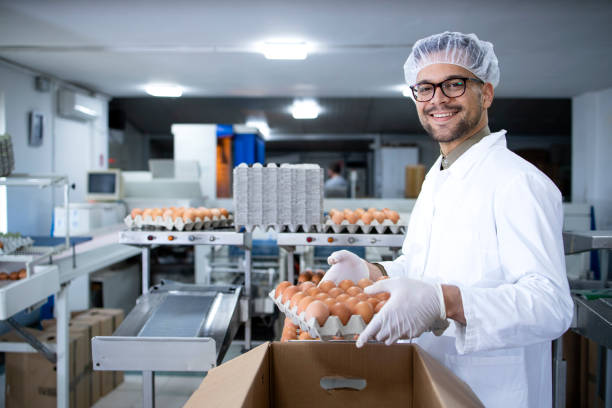
Food packers work behind the scenes to ensure products are prepared safely and consistently. Daily responsibilities typically include:
- Inspecting food items for quality and freshness
- Sorting, weighing, and measuring ingredients
- Operating packing machines and equipment
- Labeling and sealing containers, bottles, tins, or bags
- Checking expiration dates and product codes
- Following strict safety and cleanliness standards
- Boxing and palletizing finished goods for shipment
Depending on the workplace, packers may also help with inventory, cleaning workstations, or loading products onto conveyor belts.
Why Start a Career in Food Packing?
This field attracts workers because it offers:
- Consistent hiring and steady demand
- Entry-level opportunities with no degree required
- Full-time, part-time, and seasonal positions
- Opportunities for overtime
- Room for advancement into roles like machine operator, team lead, or quality control
- Hands-on work instead of sitting at a desk
Food packing is a strong fit for people who enjoy active jobs, fast-paced environments, and routine tasks.
Skills You Need to Succeed
You don’t need specialized training to start, but certain qualities help you excel:
- Attention to detail
- Ability to work on your feet
- Basic math and measuring skills
- Good hand-eye coordination
- Understanding of cleanliness and safety
- Ability to follow instructions
- Reliability and consistent attendance
- Teamwork and communication
Many employers provide on-the-job training, so beginners can learn quickly.
How to Get Started in Food Packing
1. Look for Entry-Level Job Openings
Food packing facilities frequently hire new workers. You can search:
- Local food production warehouses
- Packaging plants
- Grocery supply chains
- Cold storage facilities
- Meat, produce, bakery, and beverage factories
- Staffing agencies that specialize in light industrial work
Entry-level job titles include Food Packer, Production Associate, Warehouse Packer, Assembly Line Worker, or Picker/Packer.
2. Apply with a Simple Resume
Most companies accept applicants with no experience. A good resume should highlight:
- Reliability
- Physical stamina
- Fast learning ability
- Experience in any physical, warehouse, or customer-facing roles
- Willingness to work overtime or weekends
Even short-term or volunteer work can help demonstrate work ethic.
3. Prepare for the Work Environment
Food packing jobs may involve:
- Standing for long periods
- Working in cold or warm environments
- Wearing gloves, hairnets, and protective gear
- Repetitive movements
- Meeting hourly production goals
Being mentally prepared helps you succeed from the start.
4. Learn Basic Safety and Hygiene
Food facilities follow strict health regulations. Workers quickly learn:
- Proper handwashing
- Sanitation and cleaning routines
- Cross-contamination rules
- Safe machine operation
- How to handle packaging materials properly
Employers provide full training, but having awareness helps you stand out.
5. Build Experience and Move Up
With consistency and good performance, packers can advance into:
- Machine operator
- Quality control technician
- Line leader
- Shift supervisor
- Warehouse associate
- Inventory or shipping clerk
These roles often come with higher pay and more responsibility.
A Steady and Accessible Career Path
Food packing is one of the easiest fields to enter, offering stable work, flexible schedules, and opportunities to grow within the manufacturing and food production industry. Whether you’re looking for a first job, a new start, or long-term employment, food packing provides a practical and reliable career path.